
Why food is the foundation — and supplements are the targeted tools
Magnesium has become the darling of the wellness world — praised for easing constipation, reducing anxiety, relaxing muscles, improving sleep, and boosting energy. The truth? Those benefits are real. But the story people are telling is incomplete.
As a Certified Eating Disorder Specialist and Registered Dietitian, I question how many of my clients are magnesium deficient? Stress, malnutrition, GI complications, medication side effects, and food restriction make magnesium depletion common in eating disorder recovery. And when clients finally feel relief after taking a supplement like magnesium glycinate or citrate, they think they’ve discovered a miracle.
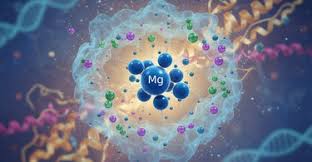
But magnesium’s effectiveness is not about a trendy supplement. The magnesium ion (Mg²⁺) is the hero. Supplements simply change how that magnesium enters and moves through the body.
Let me tell you what magnesium really does — and what your body is desperate to receive from it.
Magnesium’s Job: Keep You Alive and Functioning
Magnesium is responsible for more than 300 biochemical reactions throughout the body. Without enough of it, nothing works smoothly — especially energy, mood, heart rhythm, digestion, and muscle function.
Here’s what the natural, food-based form of magnesium does every second of every day:
- Supports ATP energy production — fueling every cell
- Regulates the nervous system — preventing overstimulation and panic
- Balances muscle contraction and relaxation — including the heart
- Maintains electrolyte stability and works with calcium to prevent cramps and arrhythmias
- Supports bone structure, immune health, and DNA/RNA synthesis
- Aids insulin and glucose regulation
- Helps bowel motility and softens stool naturally
Magnesium is a survival nutrient. If helps with — anxiety, muscle tightness, fatigue, headaches, constipation, and sleep problems.
Anyone with an eating disorder is highly vulnerable, especially those restricting, purging, or struggling with chronic diarrhea or constipation.
If Magnesium Is So Essential, Why Are So Many People At Risk Of Becoming Deficient?
Modern living steals magnesium faster than we ingest it.
- Industrial farming has stripped soil of minerals, reducing magnesium content in produce
- Highly processed diets dominate — refined grains lose minerals
- Chronic stress increases magnesium excretion through the kidneys
- Caffeine, soda, and alcohol flush magnesium out
- Medications like PPIs, insulin, and diuretics reduce absorption or increase losses
- GI issues like IBS, celiac, IBD, and restrictive eating patterns interfere with absorption
Magnesium deficiency can look like symptoms of being: anxious, exhausted, constipated, inflamed, and underslept.
And instead of addressing the root problem — we medicate the symptoms.
Here’s Where Supplements Come In
Food forms of magnesium are excellent for maintaining health. They come packaged with other nutrients, are absorbed steadily, and don’t overwhelm the gut.
But food alone often cannot correct a deficiency, especially when symptoms are already loud.
That’s where supplement forms get their reputation — not because they’re better magnesium, but because they’re directed magnesium.
Each form has a “partner molecule” that influences where magnesium goes first and what side effects you get along the way:
Magnesium Citrate — The Bowel Mover
- Partner: Citric acid
- Action: Pulls water into the intestines → stimulates peristalsis
- Result: A reliable fix for constipation
Clients think “magnesium makes me poop,” but it’s really the citrate that acts like a gentle laxative while magnesium tags along and provides some benefit.
Magnesium Glycinate — The Calmer
- Partner: Glycine (a calming amino acid)
- Action: Supports GABA neurotransmission and reduces nerve excitability
- Result: Better sleep + less anxiety + reduced muscle tension
People swear magnesium cured their panic — but it’s glycine enhancing magnesium’s natural relaxation effects.
Magnesium Malate — The Energizer
- Partner: Malic acid (a compound used in the Krebs cycle)
- Action: Enhances mitochondrial energy production
- Result: Less fatigue, fewer muscle aches, helpful in fibromyalgia-type pain
The malate gives magnesium a metabolic boost — ideal for clients exhausted from restriction.
Supplement Form ≠ What You Get From Food
Food gives magnesium in its native form (Mg²⁺), embedded in proteins, chlorophyll, and plant structures. It absorbs more gently, with less dramatic symptom relief — but with deep foundational support.
Supplements give magnesium attached to a molecule that:
- Makes it absorb faster
- Sends it toward a specific system
- Enhances certain benefits
- Reduces or increases GI loss
The magnesium is always the main act.
The form is just the director.
What Patients Need to Understand
“Magnesium is amazing because it’s essential.
Supplements feel amazing because they’re targeted.”
Food magnesium is like building the house:
Strong bones, steady nerves, reliable energy, daily bowel movements.
Supplement magnesium is like calling a specialist:
“Fix this specific problem right now.”
Clients need both:
- Food to prevent deficiency
- Targeted forms to treat symptoms or correct depletion
- Monitoring if kidneys are impaired or doses climb too high
And yes — too much supplemental magnesium, especially over 350–500 mg/day, can overwhelm the gut or kidneys and lead to electrolyte imbalance. More is not better. Smart is better.
How to Prioritize in Eating Disorder Recovery
1️⃣ Always rebuild nutritional foundations first
→ Magnesium-rich foods: nuts, seeds, legumes, leafy greens, whole grains, fatty fish, avocado, dark chocolate
2️⃣ Use supplements tactically
→ Sleep/anxiety issues? Glycinate
→ Fatigue/muscle pain? Malate
→ Constipation? Citrate
3️⃣ Avoid megadoses without medical oversight
→ Especially in those with compromised renal function or severe malnutrition
4️⃣ Educate clients that supplements support recovery — they don’t replace nourishment
Magnesium deficiency is a symptom of the bigger illness — a malnourished brain and body.
The Real Miracle?
Your body.
Give it the magnesium it’s starving for — in food and in intentional supplemental forms — and healing becomes possible.
Magnesium isn’t a trend. It’s a requirement.
Supplements aren’t hype. They’re tools.
And recovery is always strongest when it’s rooted in physiology, not fear.
For nutritional guidance call us at 845-362-1300 or email us a www.nicrd.com
References
- Harvard T.H. Chan School of Public Health — Magnesium: The Nutrition Source
- Office of Dietary Supplements, National Institutes of Health — Magnesium Fact Sheet
- Cleveland Clinic — Hypermagnesemia
- Oregon State University: Linus Pauling Institute — Micronutrient Information Center
- U.S. National Library of Medicine — Magnesium in Disease Prevention and Overall Health