
Introduction
Eating disorders are often misunderstood as being “about food,” or dismissed as choices rooted in vanity or stubbornness. Nothing could be further from the truth. At their core, eating disorders are complex psychological conditions where the visible behaviors—restriction, binging, purging, compulsive exercise—are simply masks covering invisible struggles: shame, trauma, perfectionism, unmet needs, or an inability to tolerate life’s uncertainty.
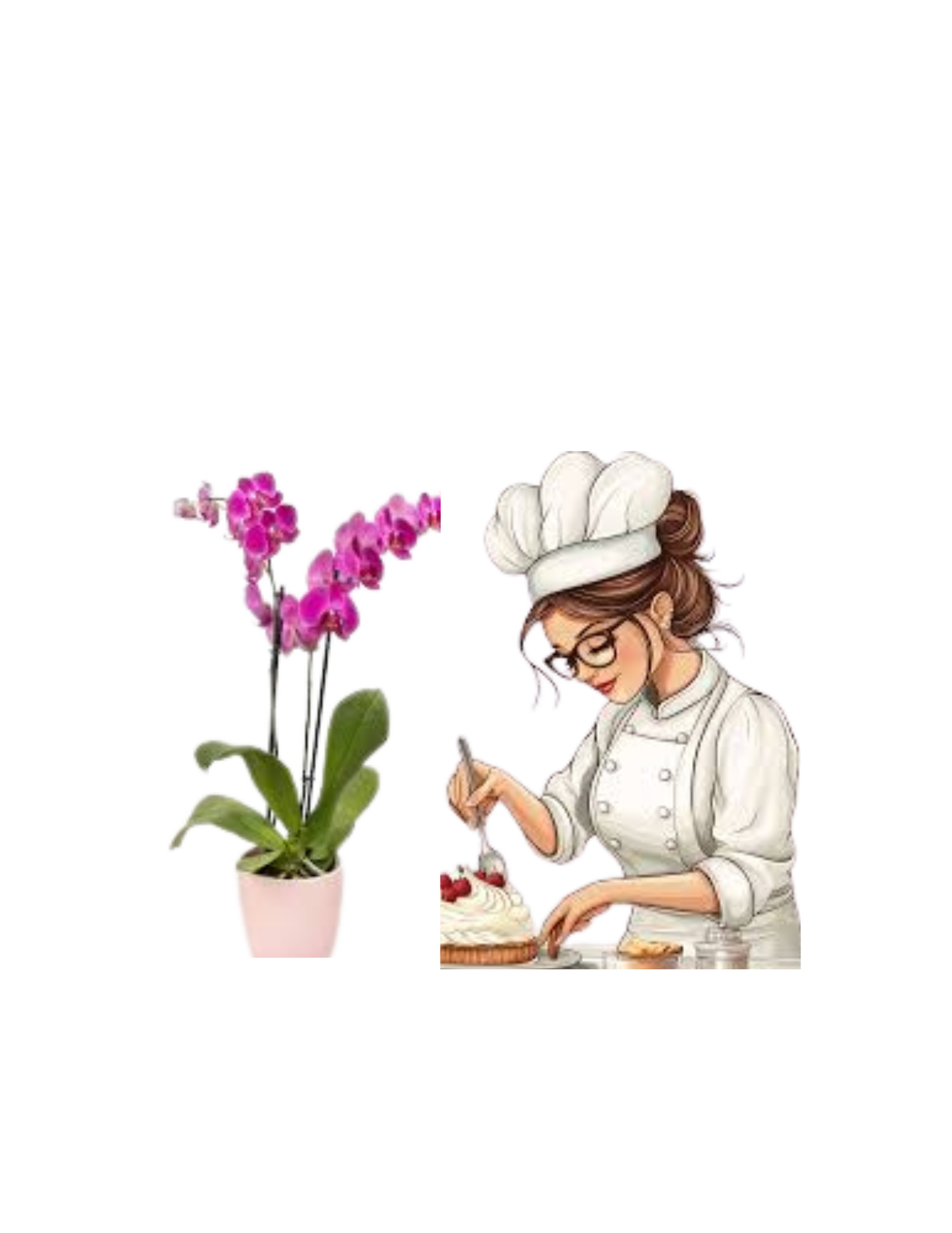
To make sense of these struggles, it helps to use analogies that capture the psychology beneath them. Some people are like dandelions—resilient, able to grow almost anywhere. Others are more like orchids—needing specific conditions to bloom. Similarly, some people live freely like regular chefs, while others operate like pastry chefs, requiring exactness and precision to feel safe.
And here’s the key: this personality style isn’t limited to eating disorders. The same sensitivity and need for structure shows up in other addictions and compulsive behaviors. Whether it’s food, substances, or achievement, the underlying issue is survival—finding ways to cope when life feels unbearable without the disorder or addiction.
Understanding this deeper layer doesn’t excuse the behavior, but it does transform how families can respond—with empathy, clarity, and boundaries that support recovery.
The Dandelion vs. the Orchid: Sensitivity as Strength and Vulnerability
- Dandelions represent resilience. They can thrive in cracks in the sidewalk, poor soil, or harsh weather. Some people are like this: adaptable, flexible, able to withstand stress without losing their footing.
- Orchids, however, require specific conditions—light, water, temperature, careful tending. When nurtured, they bloom with extraordinary beauty. But without the right care, they wither.

People vulnerable to eating disorders are like orchids. They are highly sensitive to their environments—tone of voice, criticism, rejection, pressure, or chaos. The eating disorder develops as an adaptation: when the environment feels invalidating or unpredictable, the disorder becomes a “self-built greenhouse,” creating the illusion of safety and control.
Families often misinterpret this sensitivity as fragility or weakness. In truth, it is both a risk factor and a gift. Orchids, when nurtured, often grow into deeply empathetic, creative, emotionally intelligent adults. But without understanding, their sensitivity turns inward, fueling self-destruction.
The Regular Chef vs. the Pastry Chef: Why Rules Feel Like Survival
- A regular chef can improvise. They can swap ingredients, change measurements, adjust to what’s available, and still produce a nourishing meal. This reflects people who can tolerate uncertainty and mistakes in life.
- A pastry chef, by contrast, relies on precision. A teaspoon too much sugar or a few degrees too hot, and the entire dessert collapses.
For people with eating disorders, life feels more like pastry-making than cooking. The disorder imposes rigid rules—calories, exercise routines, exact weights—because precision feels like survival. Deviating from those rules is experienced not as a small slip, but as catastrophe.
This “pastry chef mindset” extends beyond eating disorders. People with substance use disorders may feel that one deviation—a drink, a hit, a lapse in routine—means total collapse. Achievement-driven individuals may feel that one mistake ruins everything. In each case, the addiction enforces precision as a way to manage unbearable fear of failure, chaos, or rejection.
Families often misinterpret this rigidity as defiance or stubbornness. But inside the mind of the struggler, rules equal safety. Breaking them is not rebellion—it is terror.
What’s Really Going On in the Mind
To understand eating disorders—and parallel addictions—we must look beyond the behaviors to the psychology beneath.
- The Eating Disorder (or Addiction) as Armor
It shields against feelings of shame, fear, worthlessness, and vulnerability. - Control vs. Chaos
Behaviors like restriction or binging create the illusion of control when life feels unpredictable. For substance users, drinking or using creates temporary relief from the same internal chaos. - The False Self
The disorder becomes a mask. The real self—the vulnerable, sensitive orchid—stays hidden beneath rigid rules, perfection, or numbing behaviors. - Misinterpretation
Families often mistake fear for defiance. What looks like “I won’t eat” or “I don’t care” is often “I am terrified, and this is the only way I know how to cope.”
How Families Accidentally Enable the Disorder
Families often want to protect their loved one but unknowingly reinforce the disorder. Common patterns include:
- Walking on eggshells: Avoiding conflict to keep the peace, which leaves the disorder unchallenged.
- Overaccommodation: Changing family meals or schedules to fit the strugglers’ rules most of the time.
- Meeting rigidity with rigidity: Responding with anger or ultimatums, which fuels shame and drives deeper retreat into the disorder.
- Confusing the disorder with the person: Forgetting that beneath the behavior is someone desperate for safety and belonging.
What Families Can Do Differently
- Shift from Judgment to Curiosity
- Instead of “Why are you being so difficult?” try:
“I see this feels overwhelming. Can you share what feels unsafe right now?”
- Instead of “Why are you being so difficult?” try:
- Differentiate the Person from the Disorder
- Speak to your loved one, not their disorder.
- Example: “I know your eating disorder is telling you this is impossible, but I also know the part of you that wants freedom is still here.”
- Avoid Black-and-White Responses
- Don’t fight rigidity with rigidity. Provide firm structure with empathy.
- Example: “Dinner is non-negotiable, but I’ll sit with you through it so you’re not alone.”
- Respect the Pastry Chef Mindset
- Recognize the need for precision. Redirect it into safe, creative outlets like art, music, or academics rather than food or substances.
- Provide the Orchid Environment Without Overcontrol
- Orchids thrive with balance: consistent routines, calm communication, and steady boundaries. Families can provide structure without micromanaging.
- Reframe Interpretation
- Replace “too sensitive” with highly attuned.
- Replace “stubborn” with using rules for survival.
- Replace “manipulative” with terrified of losing their safety net.
A Family’s Role in Recovery
Recovery isn’t about turning orchids into dandelions. It’s about honoring sensitivity while building resilience. Families who succeed:
- Create predictable but flexible environments.
- Offer validation without accommodating disordered demands.
- See the person beneath the behaviors.
- Accept that recovery is not about “fixing” but about walking alongside with compassion and steadiness.
This perspective also applies beyond eating disorders. Families dealing with substance use, compulsive behaviors, or achievement addiction can benefit from the same shift. The goal is not to crush sensitivity but to channel it into growth and connection rather than self-destruction.

Conclusion
People with eating disorders are not weeds that can survive anywhere. They are orchids, requiring careful conditions to bloom. They are pastry chefs, living by precision to feel safe. The disorder is not who they are—it is a survival strategy for a personality style that feels too unsafe in a world built for dandelions and improvisers.
For families, the challenge is to stop enabling the disorder without shaming the person. That means reframing, reinterpreting, and creating an environment where sensitivity is respected but the illness is not accommodated.
At their core, people with eating disorders—and many struggling with other addictions—are sensitive souls trying to survive. Survive what?
- Survive emotions that feel too overwhelming to regulate—shame, fear, loneliness, anger.
- Survive a world that feels too harsh—where criticism, rejection, or cultural ideals scream that they are not enough.
- Survive their own minds—relentless thoughts of inadequacy, failure, or being a burden.
- Survive disconnection—from themselves, from others, from safety.
The eating disorder—or the addiction—becomes their tool for survival. To outsiders it looks self-destructive; to the struggler, it feels like the only way to keep going.
When families understand that these behaviors are not about vanity or rebellion but about staying alive in a world that feels unbearable, compassion grows. That compassion does not mean caving in. It means holding the line with empathy, walking alongside the struggler, and remembering: beneath the rigidity, the obsession, or the numbing lies a human being who longs to belong, to be safe, and to find a way to live free of the disorder.
Reach out to the Nutrition Improvement Center, Iris Epstein RDN CEDS CAI for more information. Iris Epstein has over 25 years of experience working with families with members who struggle with eating disorders. She is also a Certified ARISE Interventionist working as a Comprehensive Care Advisor to families with mental health and substance abuse issues.